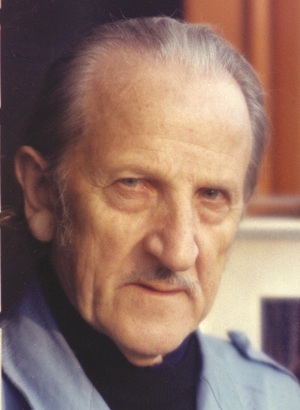
Emilio Giuseppe Dossena was born in Cavenago d’Adda (MI) on December 10, 1903. He attended the Academy of Fine Arts of Brera and the Scuola del Castello in Milan, creating in this period deep friendship relationships with the artists Sassu, Guttuso, Cantatore, and Lilloni.
In the works created by the artist in the 1930s we still find traces of academic influence, and Dossena as an artist seems to have not yet chosen his own direction and identity, especially when it comes to landscapes, which he paints realistically and accurately.
In the works created by the artist in the 1930s we still find traces of academic influence, and Dossena as an artist seems to have not yet chosen his own direction and identity, especially when it comes to landscapes, which he paints realistically and accurately. The affinity with the chromatic choices of van Gogh is noticed by many critics… Nonetheless, already in these introductory works, one can notice an unusual pictorial sensitivity that is announced by the decisive but light brush strokes.
In the 1940s, the artist discovered the need to deposit all his emotions in the composition of his pictorial works. We can notice it in particular in his many family portraits, but also in his landscapes, which have a concreteness and chromatic perceptibility added to increasingly resolute and plastic brush strokes. Dossena ‘landscape painter’ was born, and in the following years, this his appellation when he exhibited to the public precisely because he managed to reproduce so closely the observed landscapes that the observer believes is his only and exclusive artistic specialization. The artist does nothing to dispel this myth about his choice of subjects also because he prefers to paint outdoors, where he can become one with the nature that he loved so much since his activities as a restorer and decorator always kept him indoors.
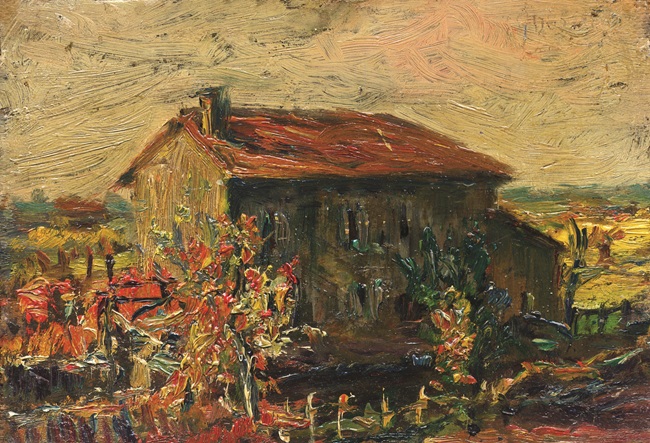
Dossena immediately showed a clear tendency towards impressionism, but for many years he dedicated himself to the easel only in his spare time, making a name for himself with the restoration and decoration of villas, castles and churches. In the Pirelli, Invernizzi, Necchi, and Toscanini residences, “Emilio Giuseppe Dossena decorated, restored, and painted large panels with mythological, archaic, and battles themes”. Some of his works were located in the Italian Embassy in Addis Ababa, Ethiopia, but were destroyed in the Second World War.
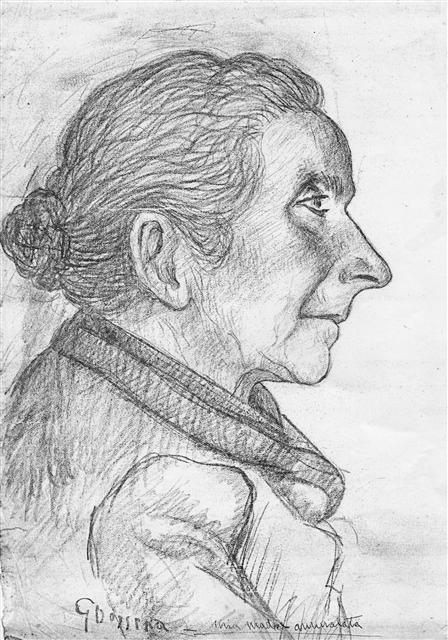
Despite this activity, the artist retained his artistic integrity, maturing from a palette based on earths, whose originality had distinguished him from his contemporaries, to a wide-ranging chromatic choice.
The first personal exhibition at the Galleria Gavioli in Milan (1943) achieved exceptional success and all the works on display were sold. The exhibitions at the Hoepli Gallery in Milan (1964) and at the Palazzo dell’Arredamento in Desio (1967) continued to satisfy both the public and the art critics. Interesting is the notion that the artist signed his paintings with G.Dossena (Giuseppe Dossena) until the mid-Fifties, when he mysteriously began to sign his own paintings E.G.Dossena, probably because there was another painter with G.Dossena signature.
After the loss of his Milan studio due to a fire, the artist moved to New York. In the Berger studio, Dossena devoted himself to the restoration of works by the masters, belonging to museums and private collections, including the Metropolitan Museum of New York and the Playboy Club.
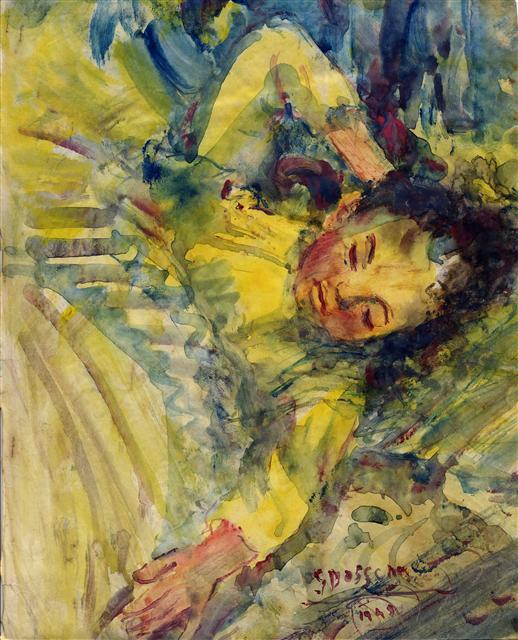
In America, the artist slowly “transformed his painting from impressionist to neo-expressionist, with more simplified, almost essential figurative, without schematic or structural restrictions. The form is almost torn from nature, in the continuous search to contain and interpret the existential essence and express these new, irrepressible sensations that the artist feels far from the mother country”.
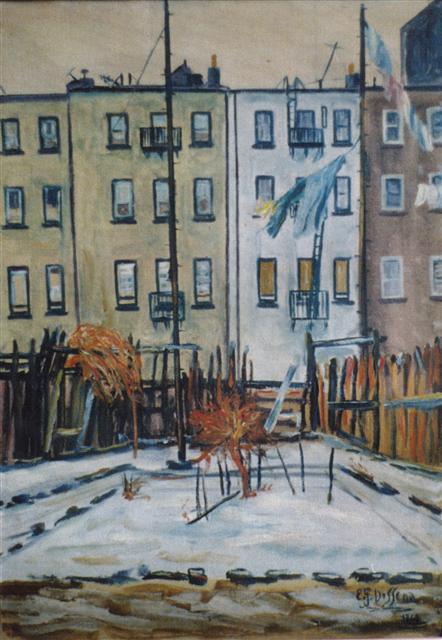
In New York, the exhibitions at the Columbus Citizens Committee (1973) and at the Galerie Internationale (1973, 1974) obtained enviable results and his painting continued in its chromatic and expressive evolution, gaining the approval of the critics: “His paintings are exuberant works in which the rich and assertive color is used to bring to light various subjects, both abstract and symbolic-representative. The nervous energy that is channeled in the artistic treatment of his works reappears in our eyes like a sensitive explosion of colors…”
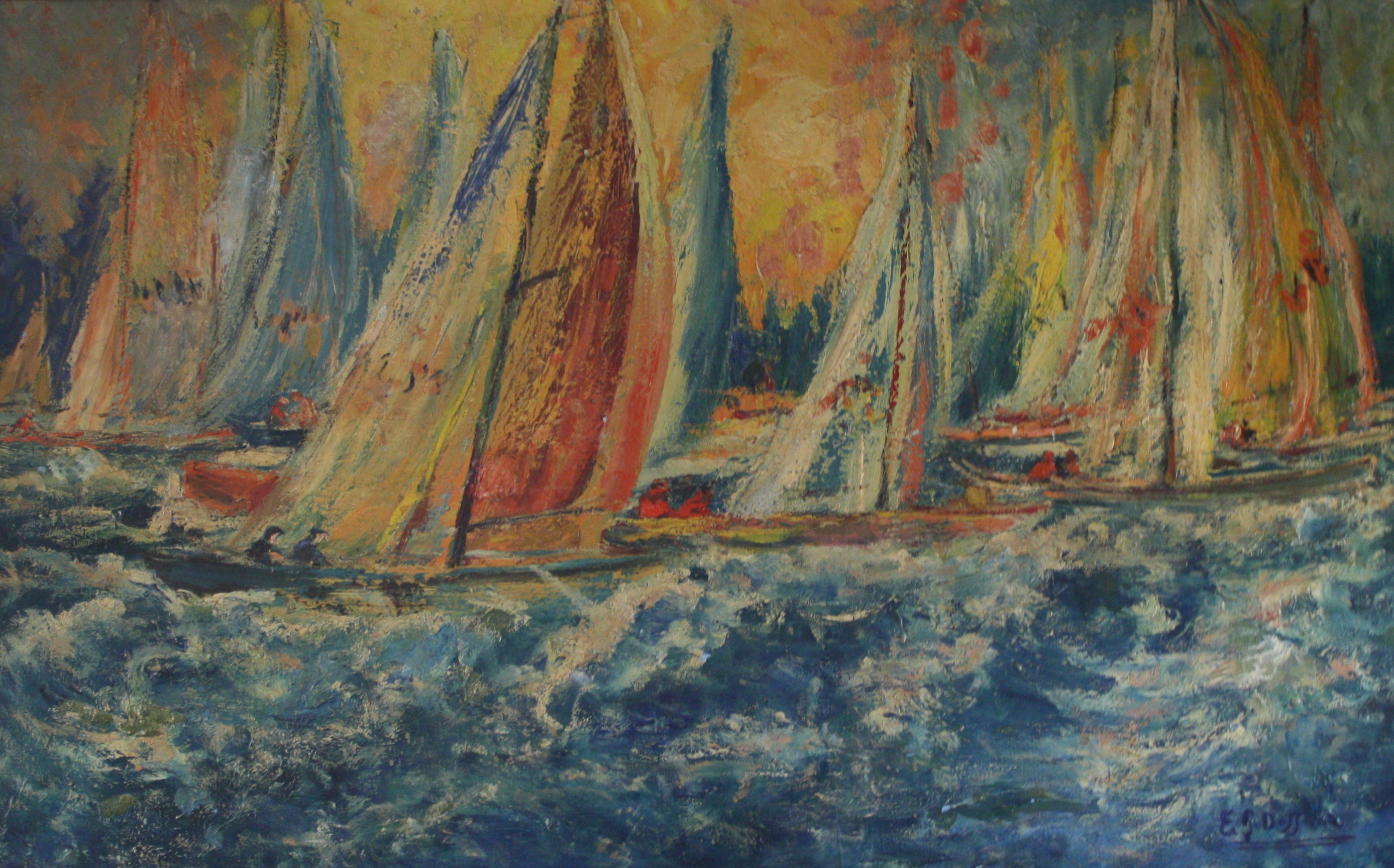
The paintings of that period can be cataloged as neo-expressionists and recall the Fauves, but with a unique and particular delicacy that disengages them from any real grouping with schools or contemporary styles.
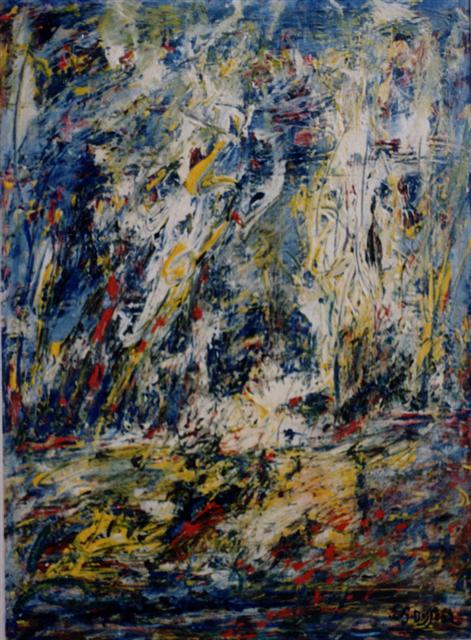
Returning to Italy at the end of 1976, Dossena found its neo-impressionistic origins, but with a coloring of its own and clearly dazzling. The paintings ‘speak for themselves’ and manage to convey not only the artist’s impressions but also the expression of his moods and his frame of mind.
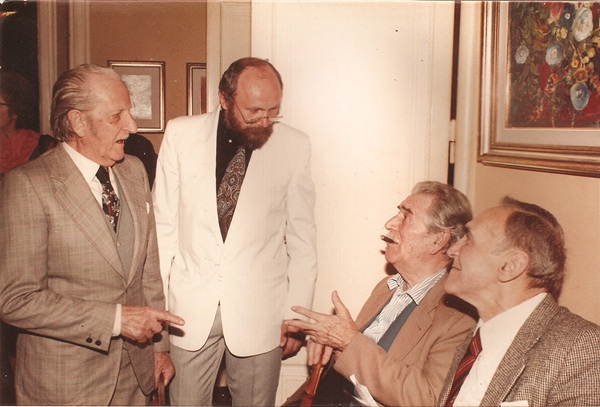
Opening ceremony of the art exhibit at the “Circolo Meneghin e Cecca” of Milan in 1983.
From the left: The artist; an unidentified visitor; writer and movie director Mario Soldati;
and the Hon. Corrado Bonfantini. — Photo by Marilena Dossena.
They are extraordinary and exciting paintings that make the bystanders sigh and bring them back to the Lombard countryside for a while to admire his courtyards, the hundred-year-old trees that he calls’ sages’, and even the farms’ gardens and orchards…
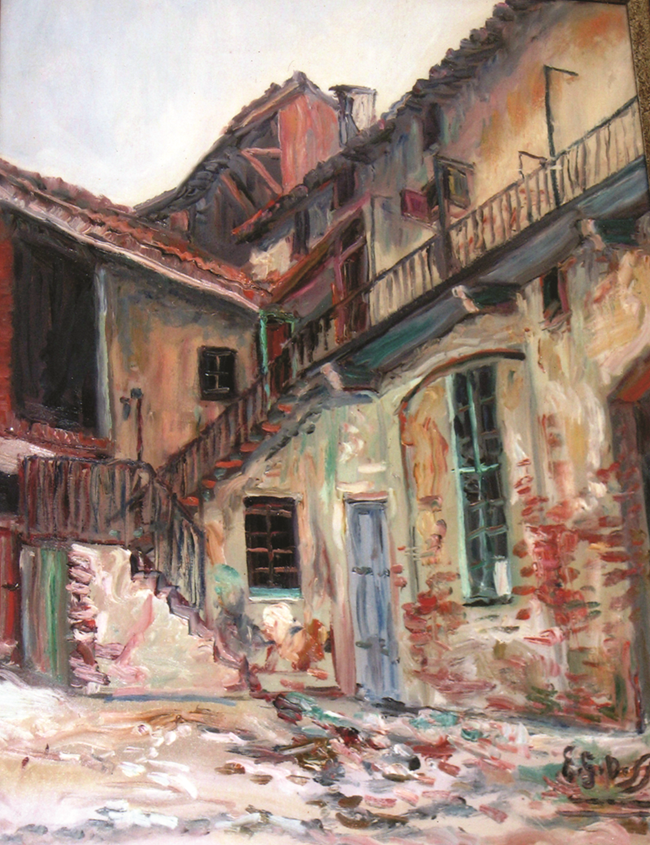
“Dossena the landscaper” is finally complete and satisfied. The production of the last few years, in fact, is always easily identifiable and reflects both the serenity of old age and the rich experience and technical perfection achieved.
When the artist passed away on March 23, 1987, after a long battle with leukemia, the family felt lost, missing the patriarch but also the artist who always managed to bring a ray of sunshine with his presence. His funeral, however, is a celebration of his life, complete with a municipal band and flowers as far as the eye could see.
TeleGlobo (a local TV station) broadcasts a commemorative program, in the year of his death. Two years later, his signature is added to the renowned Muretto di Alassio.

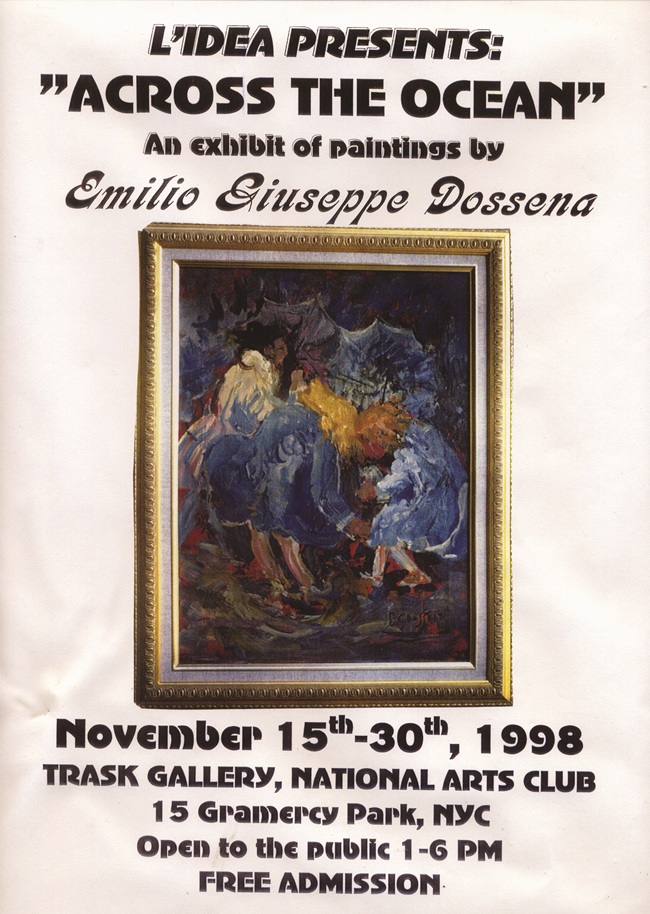
In 1998, the retrospective at the National Arts Club, in New York City, was a resounding success.
In 2008, some of the artist’s drawings appeared as illustrations for the short story book ‘Caro Fantozzi,’ published by the Scriptum Press publishing house in Ocala, Florida. In 2018, the writer Marianna Biazzo
Randazzo dedicates a page to him in her commemorative book ‘Italians of Brooklyn,’ published by Acadia Publishing in Charleston, North Carolina.
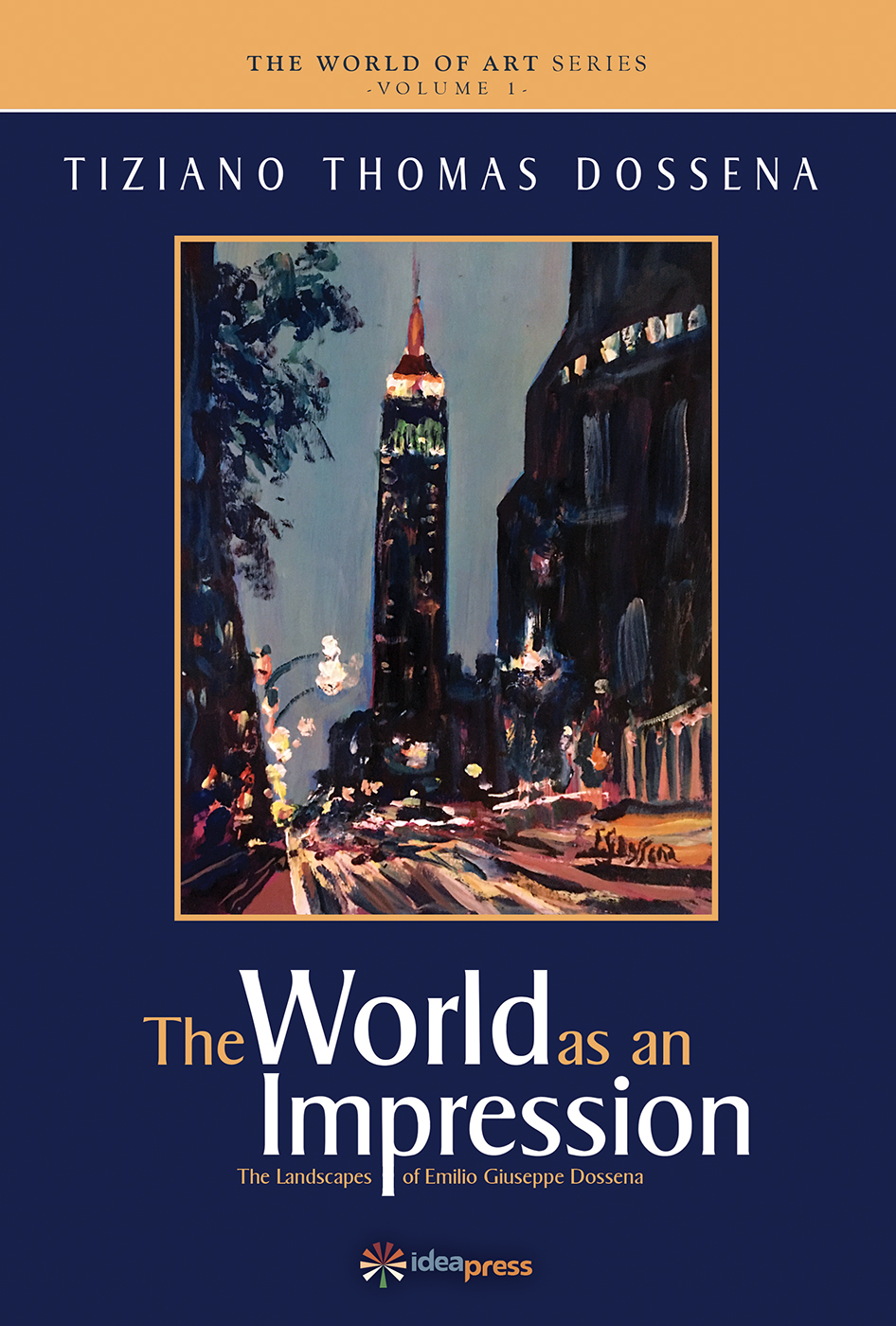
In 2020, the bilingual volume on the artist’s landscape was published under the title ‘The World as an
Impression’, and finally, some of his works have recently been used as covers of the anthologies of Italian American writers, ‘A Feast of Narrative,’ also published by the Idea Press publishing house. Furthermore, in the same year, a hypothetical interview with the artist appears in the book ‘Le Interviste con la Storia’ (Interviews with History) by Ornella Dallavalle.
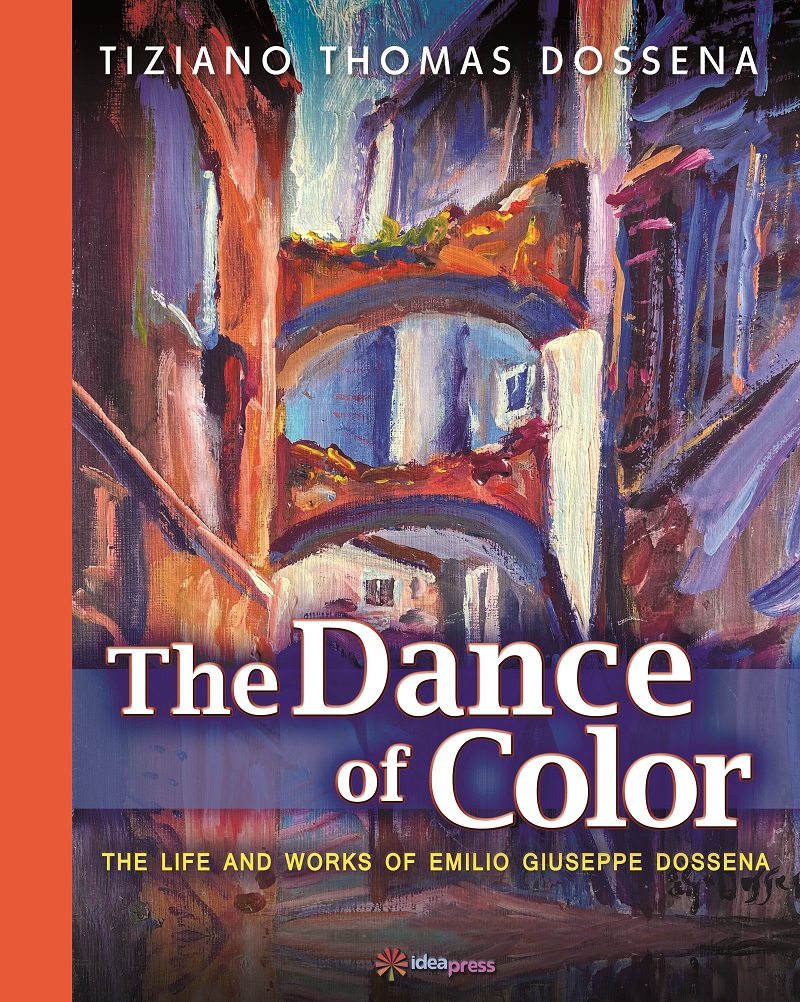
In 2023, the volume “The Dance of Color,” a monograph of the artist’s life and works, was published in two languages (English and Italian).
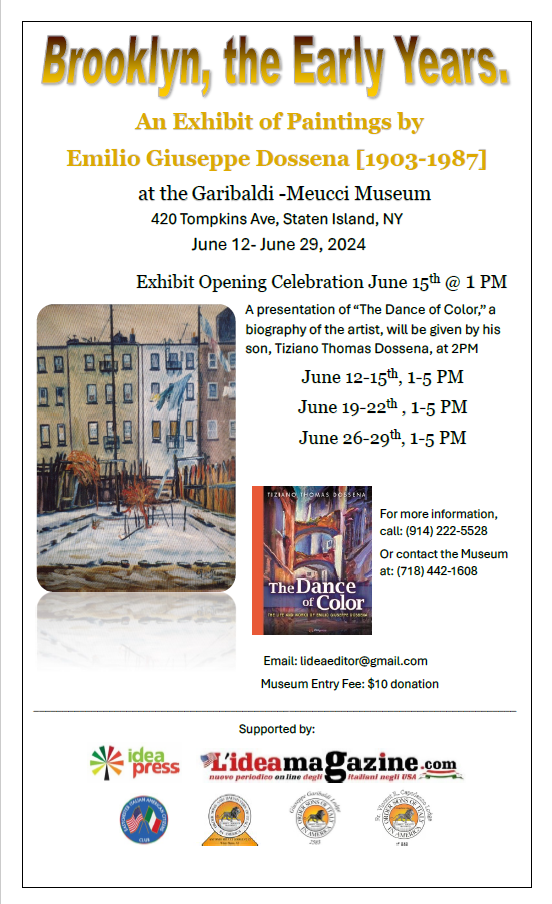
2024 saw the Garibaldi-Meucci Museum in Staten Island (NY) host an exhibition focused on the artist’s early years in New York, “Brooklyn, The Early Years; An Exhibit of Paintings by Emilio Giuseppe Dossena””. This was a unique opportunity to show the world his art in a ‘magical’ environment such as the house where the inventor of the telephone and the most important Italian patriot lived, now a museum. On the day of the exhibition’s opening, the artist’s son presented a summary of the artist’s life, and then talked about his artistic evolution over the years he lived in Brooklyn. The public showed a lot of interest in the works on display and the artist’s life.
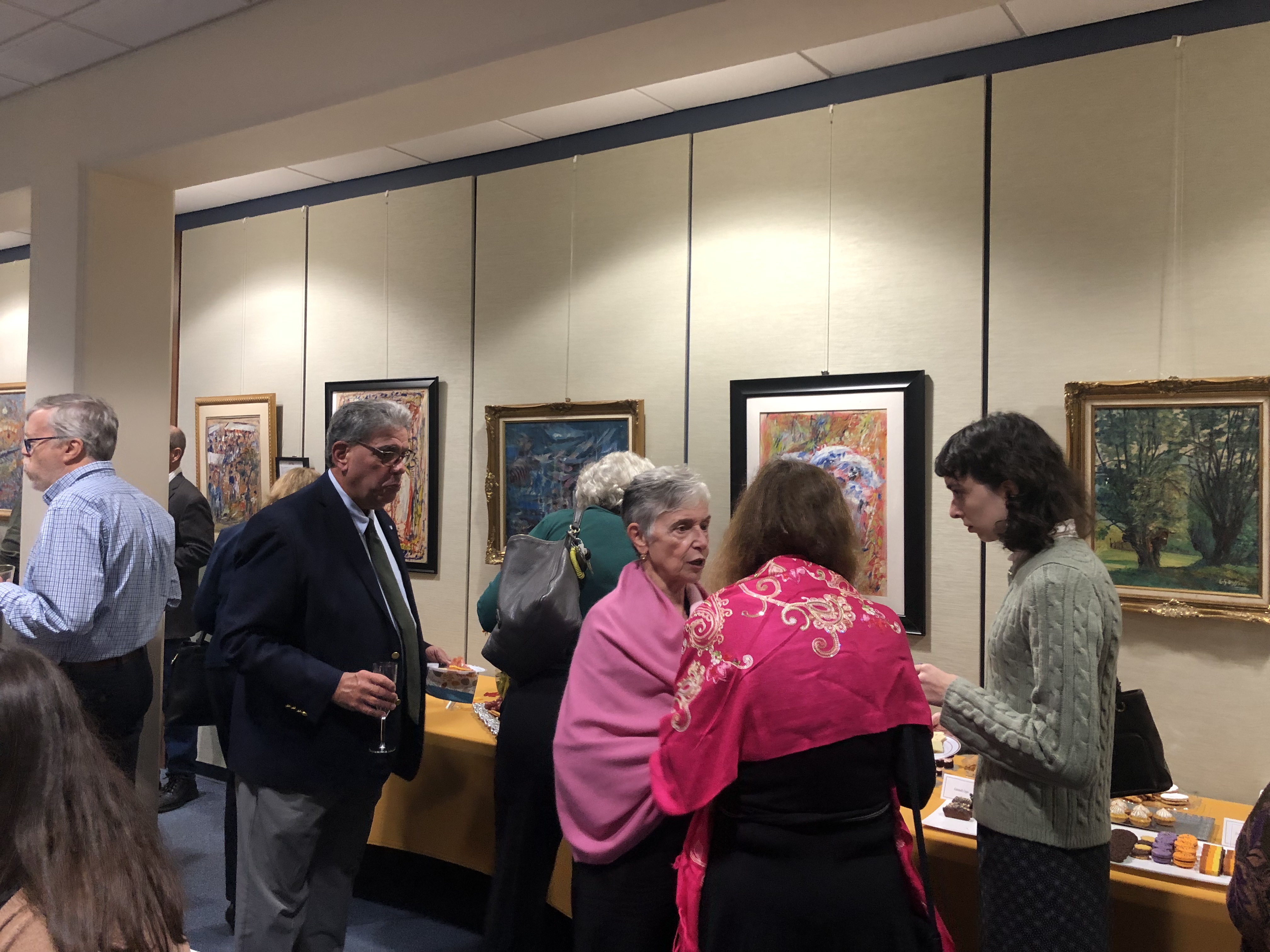
His works returned, in October of the same year, to New York for a historic exhibition entitled “A Life in the Arts” at the Eastchester Public Library (NY), which was a tribute to this Italian artist who lived a few years in New York and loved it deeply. The exhibition also featured descriptive panels of the artist’s various pictorial phases. On the afternoon of Sunday 20 October, the artist’s son, Tiziano Thomas Dossena offered a presentation in which he talked about the works on display and what they represented. The public of the charming Westchester town appreciated the artist’s works and took an interest in his life, asking him various questions.
 Emilio Giuseppe Dossena